my story
I didn’t become passionate about connection because I always got it right.
About Me
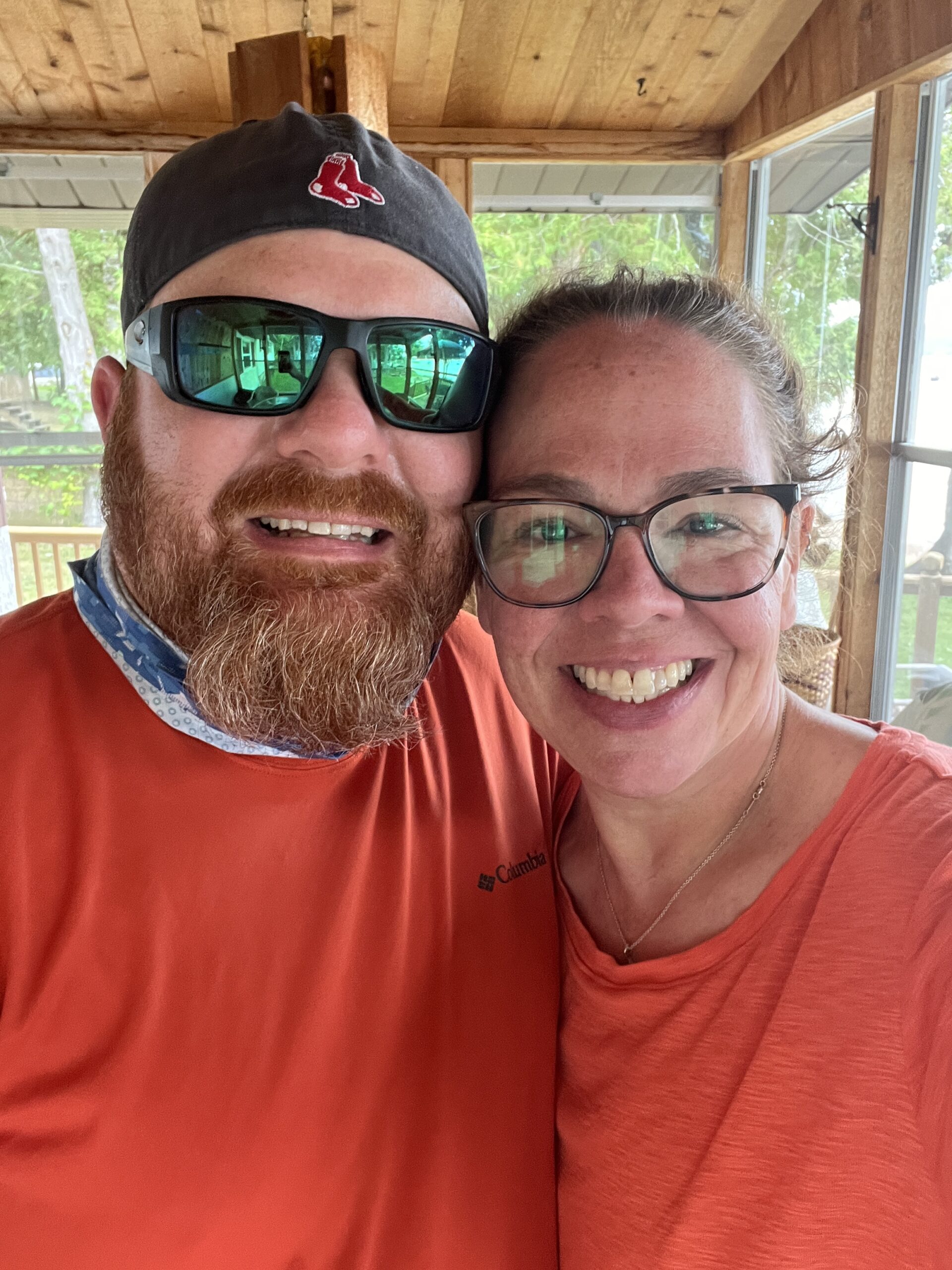
Meet Lynn Cross
I help parents become the kind of parent their child comes to when life gets hard. Through practical education, coaching, and real-life guidance, I help families build stronger communication, deeper trust, and lasting emotional safety.
I’m not a therapist or licensed counselor. My work is coaching-based and shaped by more than 25 years of leadership experience, where I learned how trust, communication, and meaningful relationships create lasting change. Today, I help parents apply those same principles at home to build stronger, healthier relationships with their children.
I believe connection isn’t built during life’s biggest moments—it’s built through everyday conversations, intentional actions, and showing up with curiosity, empathy, and consistency. My mission is to help every parent become the safe place their child turns to when life gets hard.
I THOUGHT BEING A GOOD PARENT MEANT HAVING THE ANSWERS.
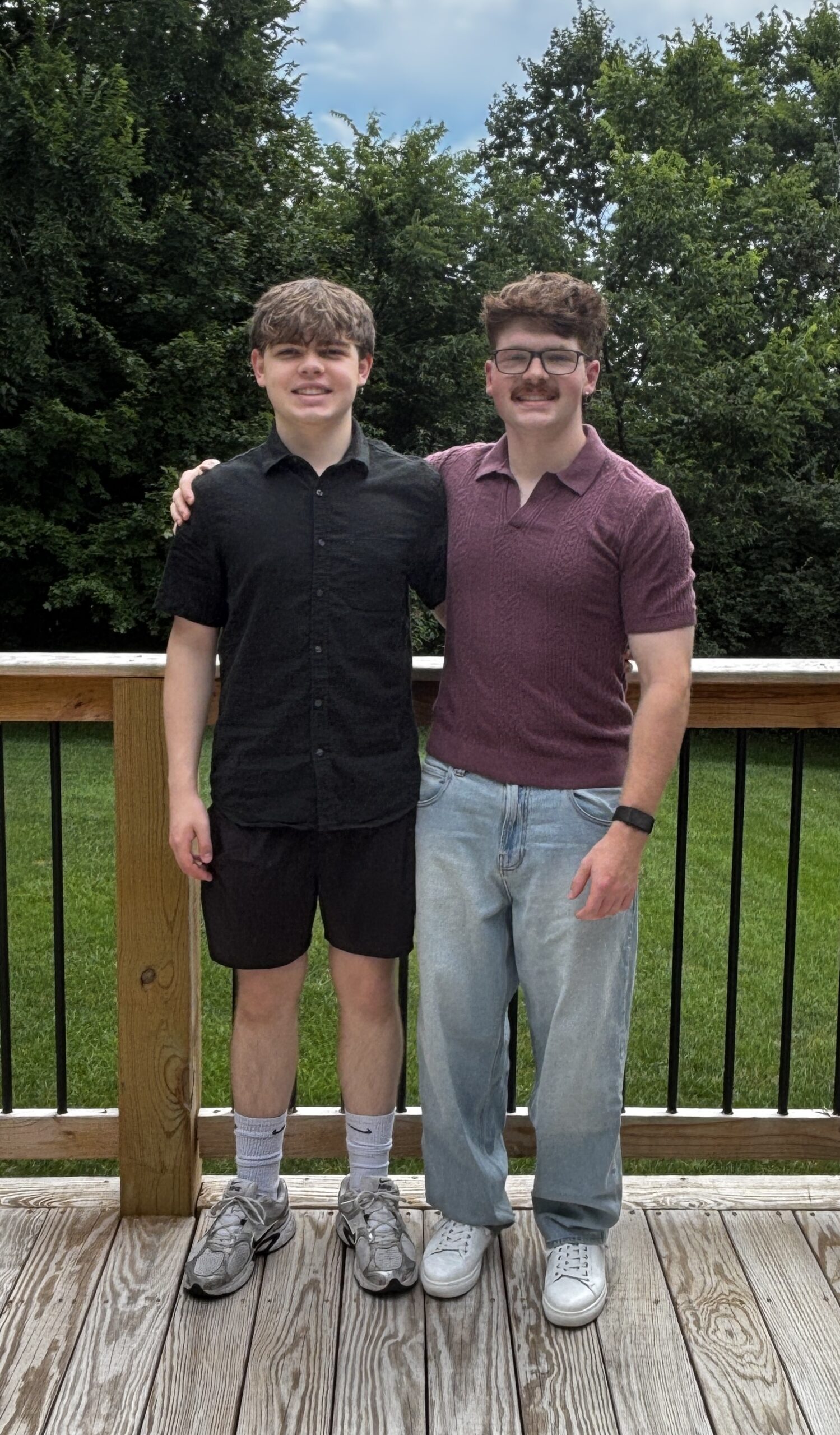
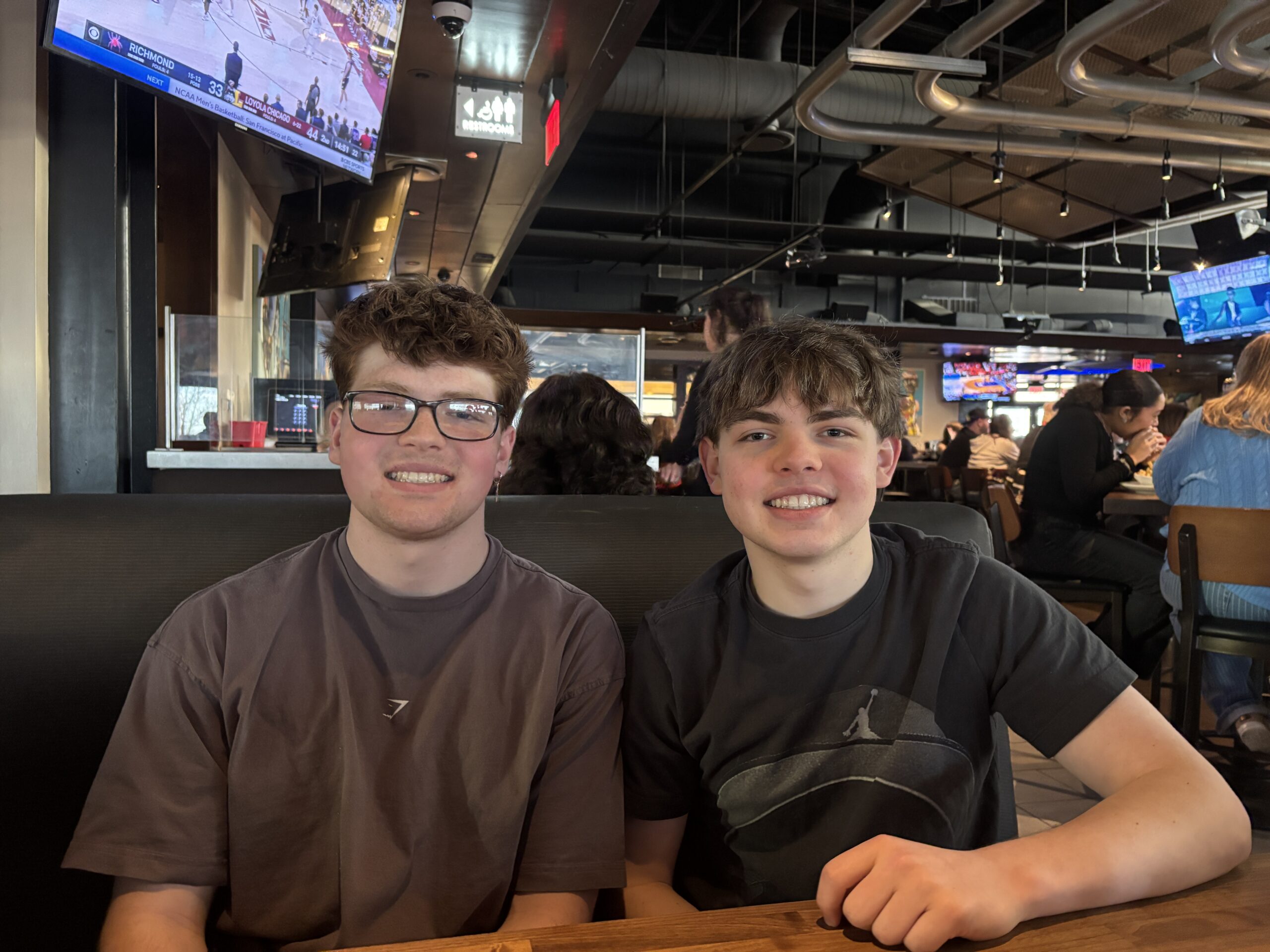
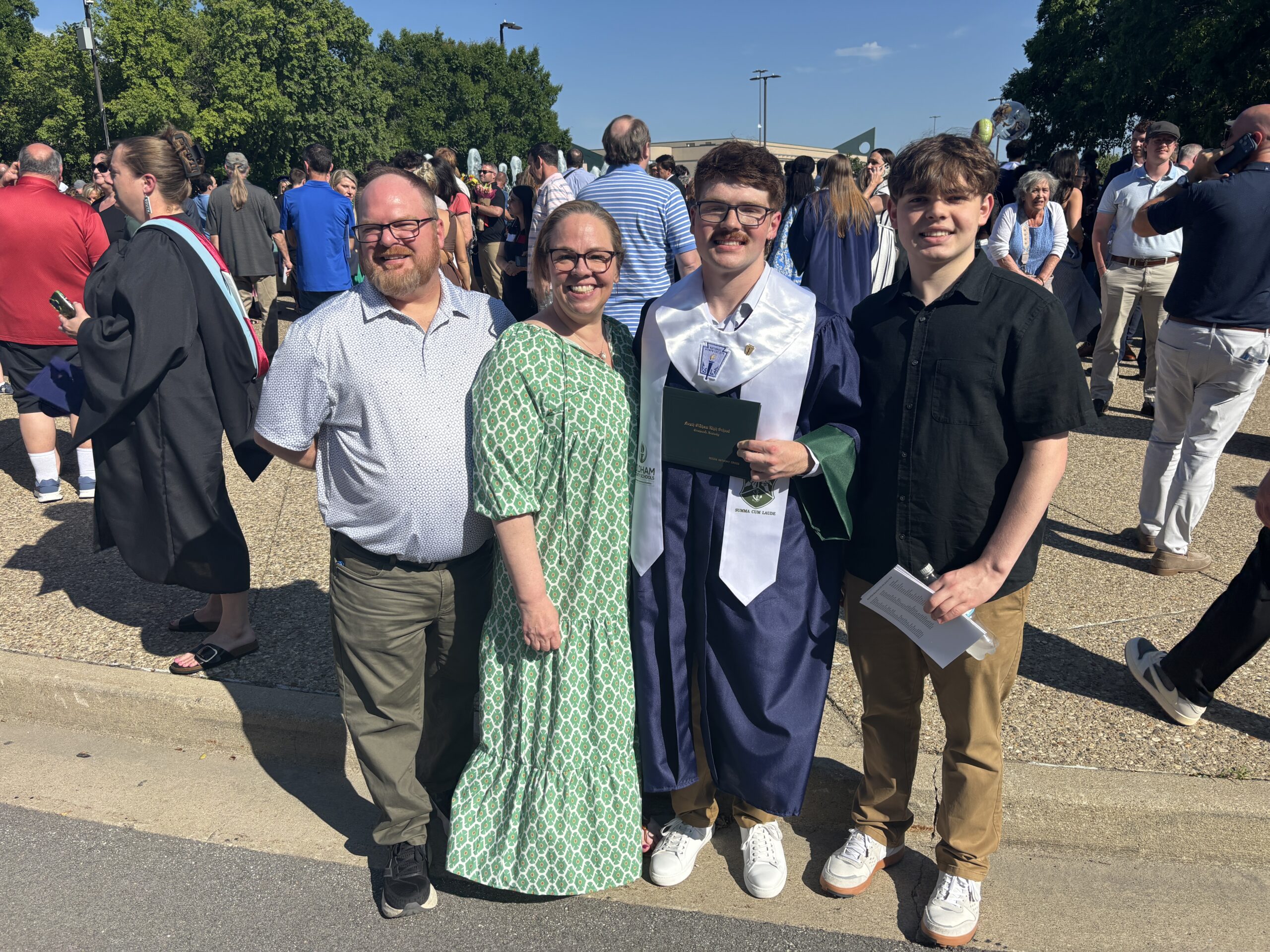
I’m a mom of two boys, and for a long time, I thought being a good parent meant having the answers. I corrected the behavior, taught the lesson, held the boundary, and made sure they understood why what they did was wrong.
And if something felt important, I wanted to address it right then. I thought that was my job.
But somewhere along the way, I started noticing that the harder I tried to make sure my kids heard me, the less I was actually hearing them.
Conversations that could have stayed small turned into arguments. Questions I thought I was simply asking sometimes felt like interrogations to them. I worried because I loved them, but that worry didn’t always sound like love when it came out of my mouth.
And there were moments when I could almost see my boys deciding how much they were going to tell me.
That was hard to recognize.
Because I wanted my kids to talk to me. I wanted to be the person they came to. But I started realizing that wanting that kind of relationship and creating the kind of environment where it could actually happen weren’t always the same thing.
And started thinking more about How do I become someone they want to talk to?
That changed a lot for me.
I started paying attention to what happened before an argument — the change in their tone, but also the change in mine. I started wondering whether defensiveness could sometimes be embarrassment, or whether avoiding a conversation might have more to do with fear of disappointing me. than simply not wanting to talk.
And maybe most importantly, I started noticing the moments when my own fear, expectations, or need to make a point were quietly taking over the conversation.
Over time, all of that led me to something I wish I had understood much earlier:
Connection is one of the most overlooked forms of safety.
As our kids get older, there is simply more of their lives we won’t see.
We won’t see every text or be standing beside them at every party. We won’t know every person they’re with, every decision they’re considering, or every mistake they’re afraid to tell us about.
And that’s hard as a parent.
We spend so many years being able to see almost everything, and then little by little, we can’t anymore.
Which means the relationship we’ve built with them becomes one of the most important ways we can still protect them.
When something happens
- When something happens, will they call us?
- Will they tell us what really happened, even when they know we won't like it?
- Will they come to us after they've messed up?
- Will they trust us with the parts of their lives that are complicated, uncomfortable, embarrassing, or scary?
That's why coaching isn't about generic parenting advice.
And it’s the relationship I now help other parents build with theirs.
I'm Still Learning.
I’ve lectured when I should have listened. I’ve reacted before I understood what was actually happening. I’ve made assumptions about what my kids’ behavior meant and been wrong. I’ve let my own fear take over conversations, and I’ve had conversations where I’ve had to go back later and say, I didn’t handle that well.
What I’ve learned through all of it is that changing the relationship we have with our kids doesn’t require us to suddenly become completely different parents.
Sometimes it starts with noticing yourself a little sooner. Getting curious before assuming you know what’s happening. Recognizing when you’ve contributed to a conversation going sideways. Going back and repairing it when you need to.
Before this became my work, my work looked very different.
At first glance, corporate leadership and parenting don’t have much in common. But I’ve realized that both taught me a lot about what happens when people feel safe enough to be honest.
When people don't immediately feel like they have to defend themselves, conversations change.
They're more likely to tell you what you actually need to hear.
They're more willing to acknowledge when they've gotten something wrong. And difficult conversations don't automatically have to become damaging ones.
Why Parents Trust Lynn
What Makes My Approach Different
Every family is unique. Rather than offering one-size-fits-all advice, I provide practical tools and proven communication strategies that help parents strengthen connection and build lasting trust with their children.
Practical Communication Tools
Learn simple, real-life strategies that help conversations feel safer, calmer, and more meaningful for both you and your child.
Personalized Coaching
Receive guidance tailored to your family's unique challenges, helping you build stronger relationships with confidence.
Trust Through Connection
Discover how intentional everyday moments create emotional safety and encourage your child to keep coming to you when life gets hard.
Why I Do This
Today, I bring what I learned during those years together with what I’ve learned, and am still learning, in my own home.
I’m a speaker, parenting educator, and creator of From Tension to Trust, where I help parents look differently at the everyday interactions that can determine whether their children pull away or keep coming back.
- I'm not trying to help parents raise kids who never make mistakes.
- Our kids are going to make them.
- So are we.
- What I care about is what happens when they do.
Because someday, your child is going to have something difficult to tell you. And when that day comes, I don’t just want them to know what you would tell them to do.
I want them to know they can come to you.